
Discovering strategies that inform, benefit, and empower communities from all walks of life. IPaT’s work in this area focuses on the daily lives of communities – how they live, work, and play. We are finding innovative approaches to shaping sustainable cities with research that thinks globally while acting locally. We're examining the transformative role of technology in transportation, civic engagement, and disaster recovery focusing on novel communication and information technologies to aid communities.
Featured Labs, Projects, and Centers
Technologies & International Development Lab
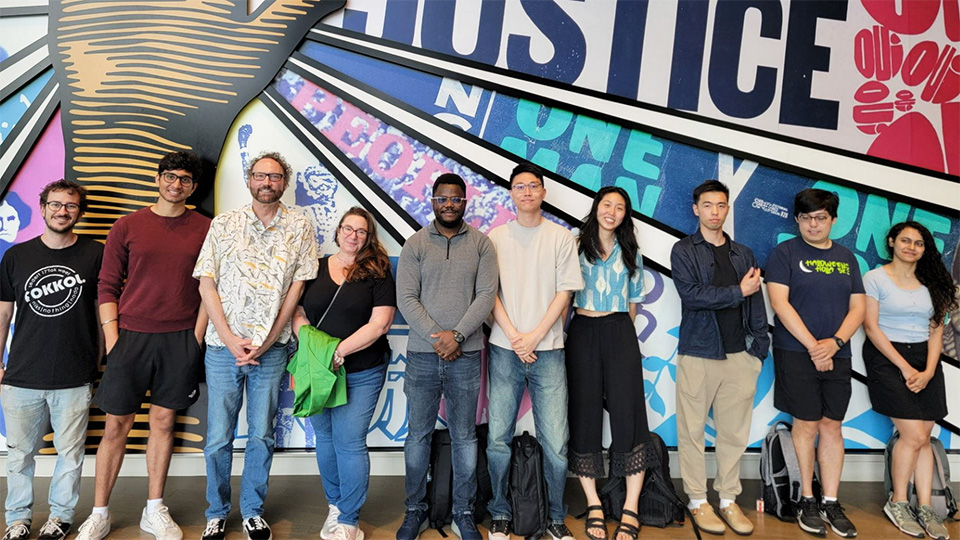
We study the practice, the promise, and the peril of information and communication technologies (ICTs) in social, economic, and political development. We study the risks and rewards of ICT systems for people and communities particularly within the Global South.
Smart Sea Level Sensors
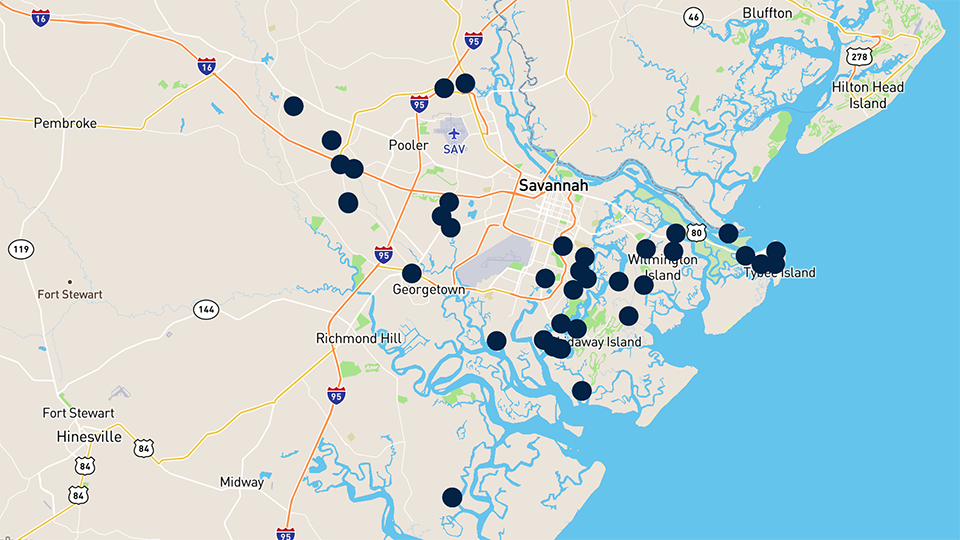
Researchers: (See the Sea Level Sensors website for complete list) The Smart Sea Level Sensors project is a partnership between Chatham Emergency Management Agency officials, City of Savannah officials, and Georgia Tech scientists and engineers who are working together to install a network of internet-enabled sea level sensors across Chatham County. The real-time data on coastal flooding will be used for emergency planning and response.

Data-Driven Policing
In an effort to reduce police officer response times to calls for assistance, Georgia Tech and the Atlanta Police Department partnered on a year-long project to reconfigure patrol areas across the city.
North Avenue Smart Corridor
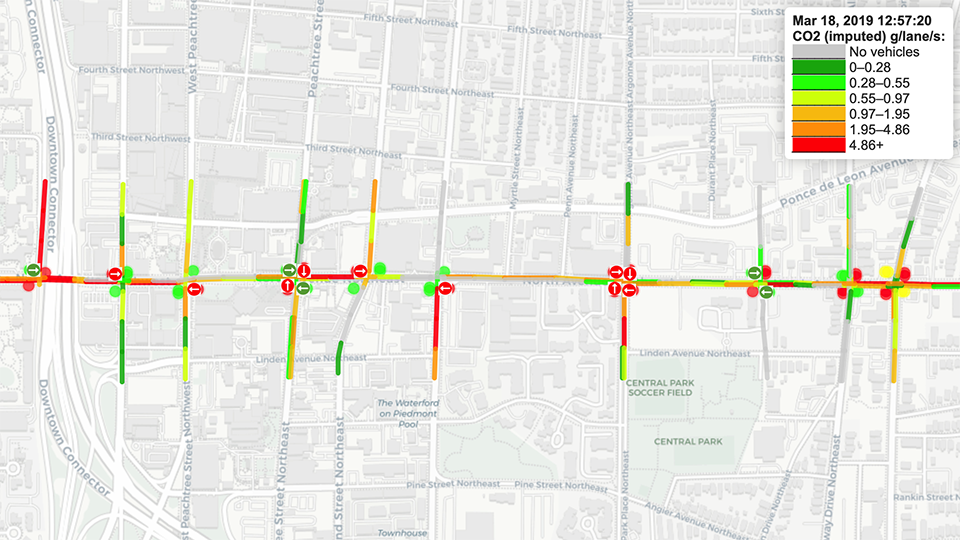
In September 2017, the City of Atlanta and Georgia Tech launched the North Avenue Smart Corridor. It’s the most connected corridor in Georgia and a living laboratory for traffic management through technology. The Renew Atlanta infrastructure bond is funding the approximately $3-million project.

Center for Urban Research
The Center for Urban Research is committed to advancing research, policy, and practice within the emerging field of neighborhood flourishing.
SimTigrate Design Center
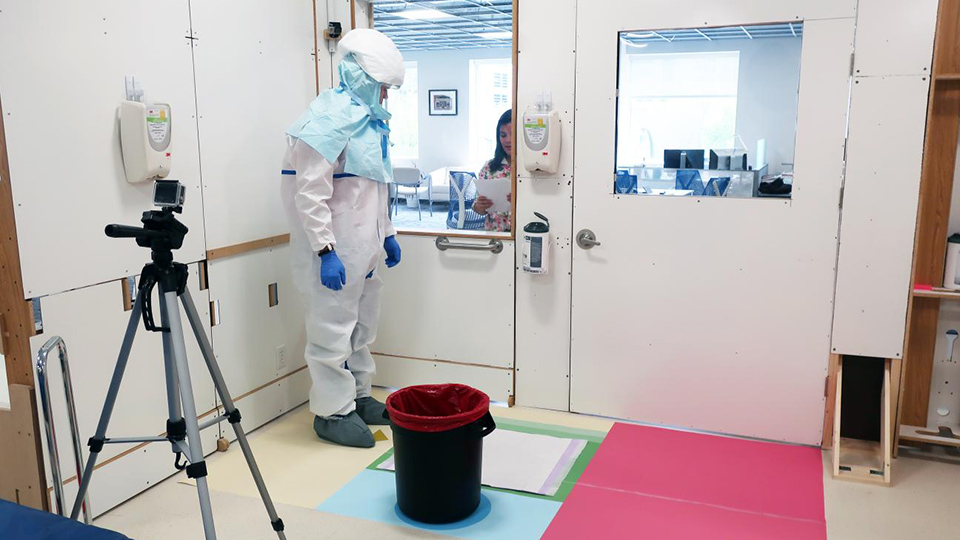
The SimTigrate Design Center is an interdisciplinary research center at the College of Design that promotes health through rigorous design research and innovation. It explores the full ecology of designed systems that impact our health and wellbeing, including the built environment, services, devices, and policy, in partnership with key stakeholders.
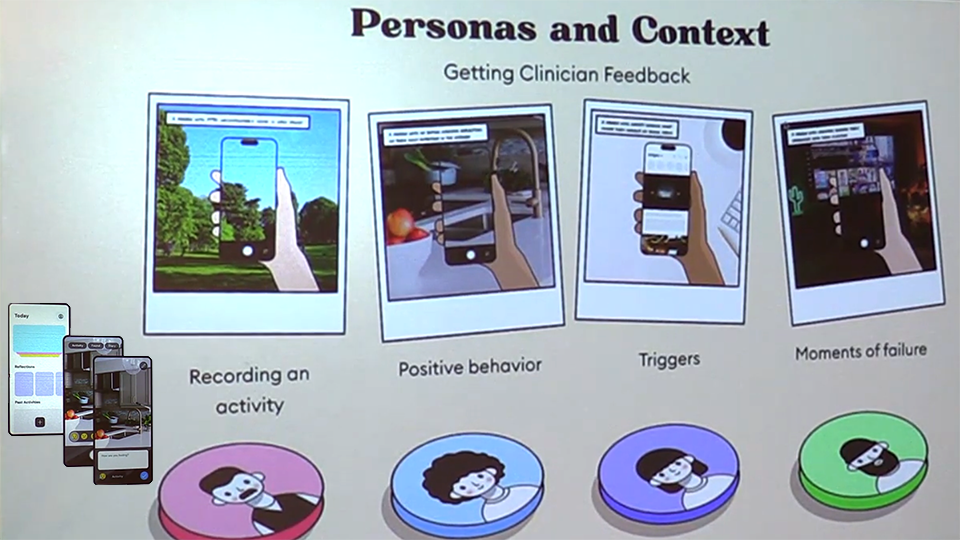
Ubicomp Health and Wellness Lab
Our goal is to design technology to improve health and wellness outcomes. We address major challenges in health management, including patient engagement, continuity of care and point-of-care interaction. We do this by leveraging gold standards of care to design, build, and deploy ecological computational systems.

TILES Lab
Technology-Integrated Learning Environments (TILE). Research in this group focuses on the design of learning environments in a variety of contexts and content areas employing technology to mediate social and collaborative learning. We draw on theories and methods from the Learning Sciences to investigate how people learn and how to design effective learning interactions.

Smart Cities
Georgia Tech’s initiative on Smart Cities develops innovative approaches to shaping resilient and sustainable communities. Through research and development, strategic partnerships, and cutting-edge programming the initiative brings Georgia Tech's interdisciplinary expertise in technology and policy to the development of smart cities and communities.
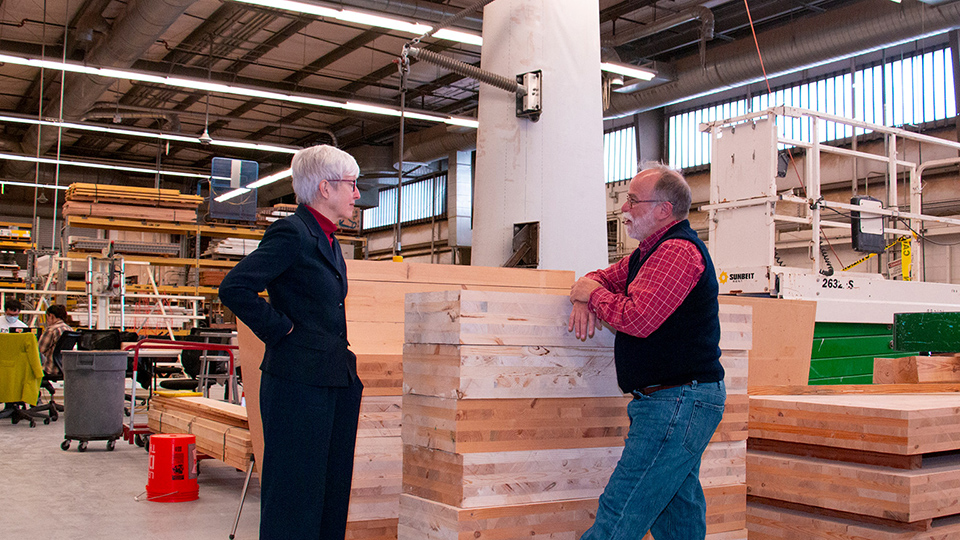
Digital Building Laboratory
The Digital Building Laboratory (DBL) connects Georgia Tech researchers to professionals in the architecture, engineering, construction, and operations (AECO) industries. The laboratory brings practitioners working in the field together with cutting-edge research in data science, robotics, 3D visualization, and materials science.
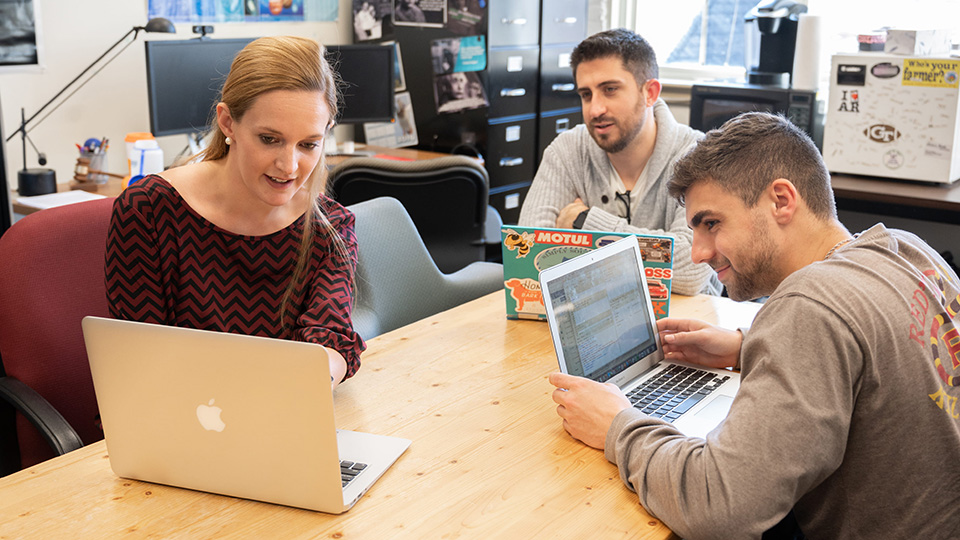
Problem Solving and Educational Technology Lab
Located in the School of Psychology at the Georgia Institute of Technology, the Problem Solving and Educational Technology (PSET) Lab brings together a diverse group of faculty and students interested in a wide range of equally diverse topics.