
From pediatrics to aging, we are protecting health both locally and worldwide. IPaT's continuum of healthcare research is working to promote and enable vibrant and lifelong physical and mental health. Accomplished scholars and clinicians work together to transform healthcare delivery systems by creating novel and easily accessible health and wellness technologies. IPaT has led breakthroughs in health information technology, approaches for increasing patient engagement and treatment adherence, clinical process improvements, and new healthcare delivery knowledge.
Initiative Lead: Rudy Gleason
 Rudolph (Rudy) L. Gleason leads research activities for global health and well-being. Gleason is a professor in the School of Mechanical Engineering and the School of Biomedical Engineering in the College of Engineering. Gleason’s research program has two key and distinct research aims. The first research aim is to quantify the link between biomechanics, mechanobiology, and tissue growth and remodeling in diseases of the vasculature and other soft tissues. The second research aim is to translate engineering innovation to combat global health disparities and foster sustainable development in low-resource settings around the world.
Featured Labs, Centers, and Projects

Medicaid Claims Data
The Institute for People and Technology, H. Milton Stewart School of Industrial and Systems Engineering (ISyE), and Children’s Healthcare of Atlanta have provided funding for and access to multiple years of Medicaid data to support a deeper understanding of the challenges and patterns surrounding healthcare access.

MyPath Application
MyPath is an application that provides breast cancer patients with personalized recommendations during their cancer journey.

Aware Home Research Initiative
The Aware Home Research Initiative (AHRI) at Georgia Institute of Technology is an interdisciplinary research endeavor interested in three main research areas: Health and Well-being, Digital Media and Entertainment, and Sustainability, investigating how new technologies can impact the lives of people at home.
The Uncommon Sense Lab
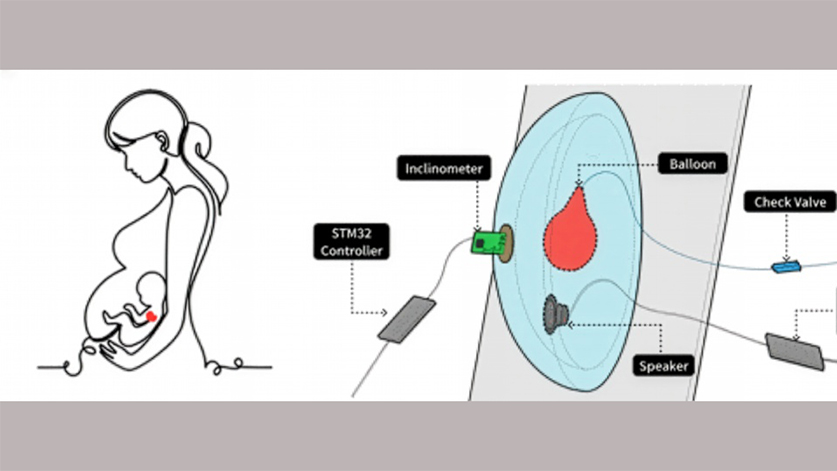
The Uncommon Sense Lab aims to monitor, diagnose, and prevent health issues through designing wearable and ubiquitous sensing systems to meet people where they are and provide continuous sensing and remote diagnostic solutions.
Center for Inclusive Design and Innovation
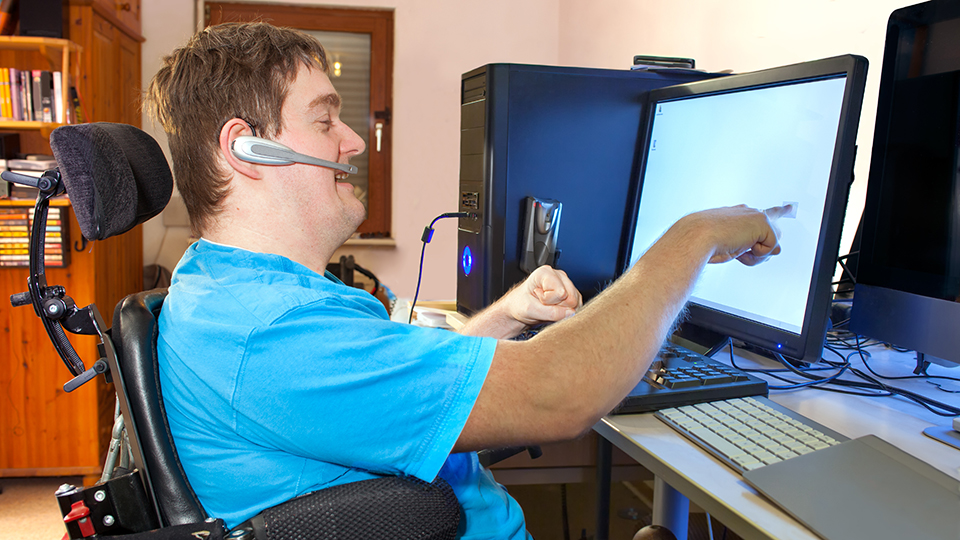
The Center for Inclusive Design and Innovation, is a multidisciplinary research center devoted to enhancing the lives of people with all levels of ability. Rather than focusing on disability, seeing people as "disabled," we believe that the limitations of current technologies and the design of the built environment account for an individual’s inability to perform activities and participate in society.

Center for Health and Humanitarian Systems (CHHS)
As an Interdisciplinary Research Center (IRC) at Georgia Tech, the Center for Health & Humanitarian Systems (CHHS) aims to transform health and humanitarian systems through education, outreach and innovative solutions.
SimTigrate Design Center
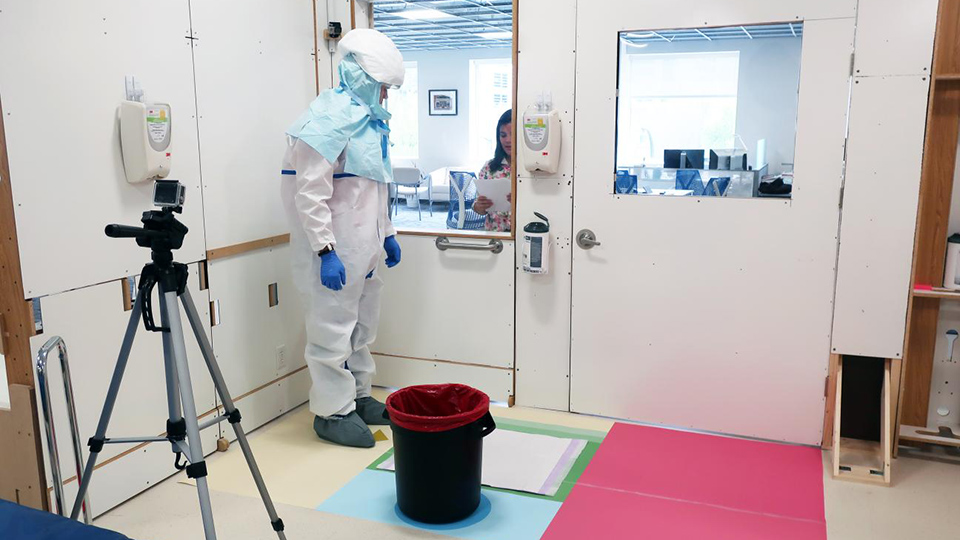
The SimTigrate Design Center is an interdisciplinary research center at the College of Design that promotes health through rigorous design research and innovation. It explores the full ecology of designed systems that impact our health and wellbeing, including the built environment, services, devices, and policy, in partnership with key stakeholders.
Health Analytics at Georgia Tech
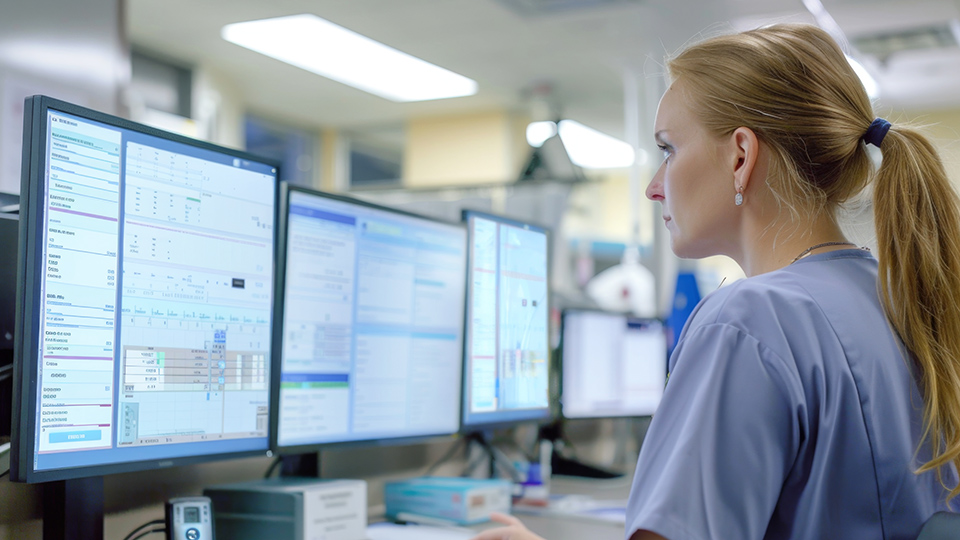
The Health Analytics group at Georgia Tech conducts research and mentors students in data science methodologies to improve decision-making in health care delivery and public health. Approaches are based on rigorous modeling, mathematical standards, and advanced computing techniques and anchored in real problems and questions in the health domain.

Child Study Lab
The Child Study Lab studies early social, communication, and play behavior in children, including those who are experiencing problems in their development. The lab brings together computer science and psychology to build new tools to measure behavior, with the goal of improving early screening for autism and other developmental delays.

RERC TechSAge
The National Institute on Disability, Independent Living, and Rehabilitation (NIDILRR) has awarded the Georgia Institute of Technology and the University of Illinois at Urbana-Champaign a 5-year, $4.6 million grant to conduct research and development projects that support successful aging-in-place for people with long-term disabilities. The grant represents the second phase of the Rehabilitation Engineering Research Center on Technologies to Support Aging-in-Place for People with Long-Term Disabilities (RERC TechSAge).
NSF Expeditions in Computational Behavioral Science
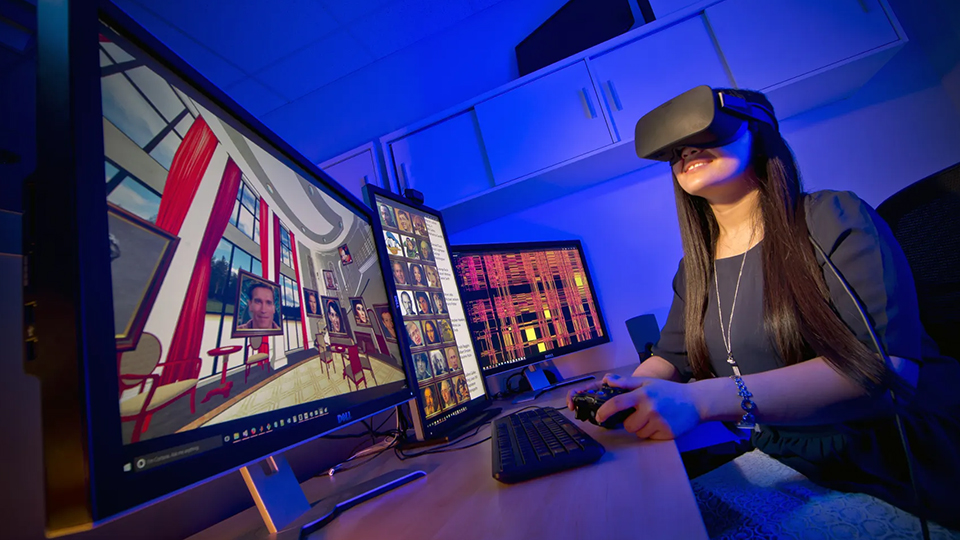
Expeditions in Computational Behavioral Science develops novel computational methods for measuring and analyzing the behavior of children and adults during face-to-face social interactions. Social behavior plays a key role in the acquisition of social and communicative skills during childhood.

HomeLab
Georgia Tech’s HomeLab initiative provides the capability to conduct in-home research that supports the development of innovative technologies that promote health, wellness, and independence for older adults. HomeLab brings together a multidisciplinary team of scientists and engineers and a community of older adults interested in participating in research.
Cognitive Empowerment Program
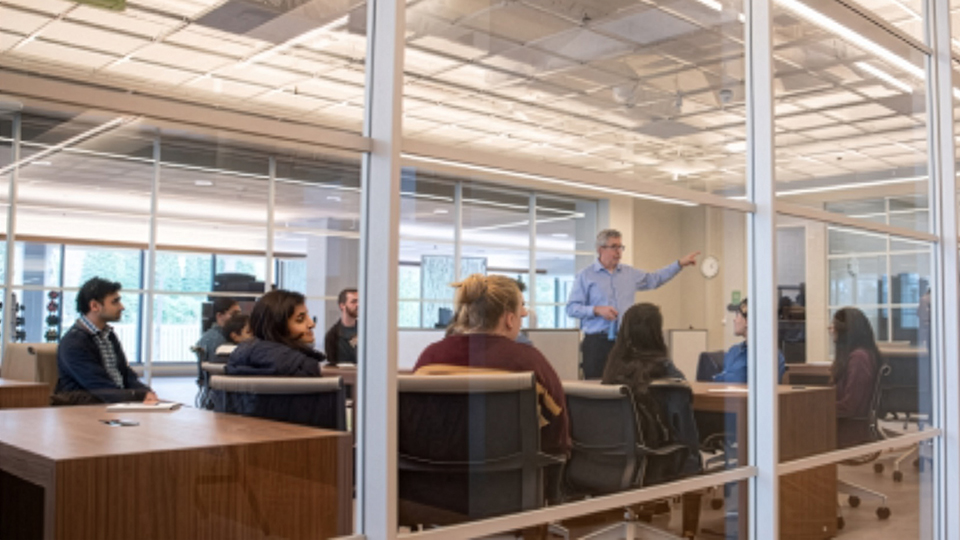
Emory University's Brain Health Center and the Georgia Institute of Technology launched a research and therapy program for people with mild cognitive impairment (MCI), which is often a precursor to Alzheimer’s disease. The James M. Cox Foundation and Cox Enterprises, Inc. are supporting the new MCI Empowerment Program with a $23.7 million gift.